
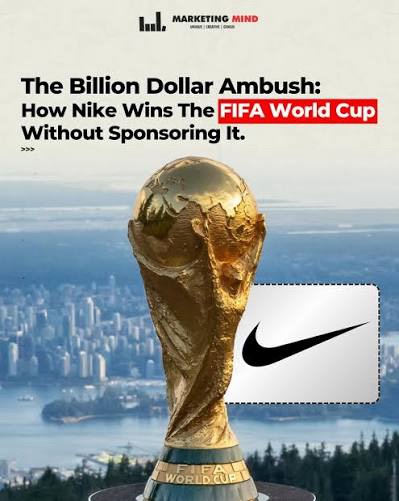
The World Cup has always been more than football. It is a global stage where national pride, music, politics, street culture, and fashion meet in one powerful visual language. In 2026, Nike is making a major bid to own that language—not only through the jerseys worn on the pitch, but through a wider cultural campaign that treats football as a lifestyle.
For Nike, the goal is clear: turn the World Cup from a tournament into a season of identity. The brand is positioning its federation collections as pieces of national storytelling, combining performance technology with the colors, symbols, histories, and energy that supporters carry from the stadium into everyday life.
Beyond the Match: Football as Fashion
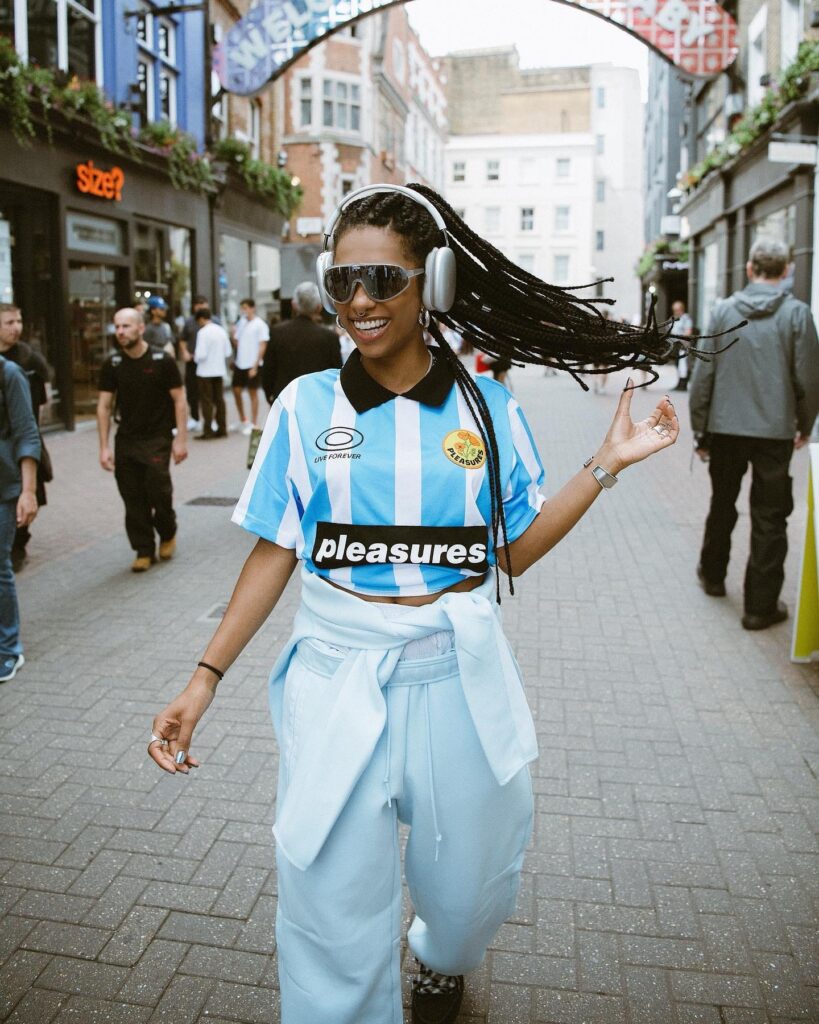
A football shirt is no longer only a uniform. It is worn with denim, cargos, skirts, tailored trousers, jewelry, and sneakers. It appears at concerts, in airports, at family gatherings, and across social media. Nike understands that the World Cup kit is now one of the most visible garments in global fashion.
Its 2026 federation collections are built around a “home and future” design language: home shirts rooted in national heritage, and away shirts designed to feel like modern classics. Nike’s new Aero-FIT construction also brings a performance argument to the fashion conversation, using engineered mesh zones and recycled textile waste to improve airflow in the heat expected across the tournament. (NIKE, Inc.)
But the strongest part of Nike’s strategy is that it is not trying to keep football inside the stadium.
The X2 Formula: Federation, Creative, Community
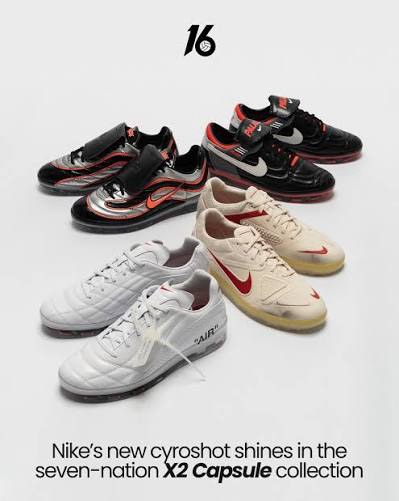
Nike’s X2 capsule collections bring together seven national federations, seven creative collaborators, and seven youth-sport organizations. The result is a model that connects official football identity with local fashion voices and community investment. (NIKE, Inc.)
The partnerships are designed to feel culturally specific rather than globally generic. Canada connects with NOCTA. England meets Palace. France is reinterpreted through Jacquemus. The Netherlands works with Patta. Nigeria’s Super Eagles receive a creative vision from artist Slawn. South Korea collaborates with PEACEMINUSONE, while the United States is linked with V.A.A.
For Star and Shield Clothing, the Nigeria collaboration is especially important. Nigeria has long been one of football’s most influential style nations, with supporters and designers who understand that a national shirt can be both a symbol of pride and a piece of art. Nike’s decision to place Slawn’s creative perspective beside the Super Eagles shows how African football culture is increasingly being recognized as a force that can shape global fashion—not simply supply inspiration to it.
A New Battle for Cultural Relevance
Nike is entering the World Cup with a challenge: FIFA’s official partnership belongs to Adidas. That means Nike must win the cultural battle through the teams, athletes, streets, creators, and communities that make football meaningful beyond official tournament branding.
This is where the brand’s approach becomes more interesting. Nike does not need to own every stadium sign to influence the way the World Cup looks and feels. It can own moments: a player walking into a match in a standout warm-up set, a supporter styling a jersey in Accra, Monrovia, Lagos, London, Paris, or New York, or a young creative turning a national shirt into a personal statement.
That strategy matters because the most lasting World Cup fashion is rarely created only by the governing body. It is created by people. Fans decide which shirts become classics. Communities decide which colors carry memory. Designers decide how heritage is reintroduced to a new generation.
The Opportunity—and the Test
Nike’s World Cup push is ambitious, but it will be judged by more than marketing language. The kits must perform under pressure, look strong in motion, and feel authentic to the nations wearing them. Early discussion around some 2026 designs shows how closely supporters now examine fit, fabric, symbolism, and quality. A national kit cannot simply be visually loud; it must earn emotional loyalty.
The strongest collections will be the ones that give fans something deeper than a logo. They will offer a connection to place, ancestry, movement, and future possibility.
For independent brands such as Star and Shield Clothing, this moment is a reminder that fashion has power when it carries culture with care. The World Cup may be a global commercial event, but its most meaningful style stories will continue to come from the people who wear their history with pride.
Nike is betting that football culture can be designed from the pitch outward. The real question is whether the world’s supporters will make those designs their own.