
Fashion is more than clothing—it’s culture, identity, and storytelling. Few designers have influenced modern streetwear as profoundly as Marc Ecko, Virgil Abloh, and Tremaine Emory. Each challenged convention, built iconic brands, and inspired a new generation of designers to think beyond the runway.
1. Marc Ecko – The Streetwear Pioneer
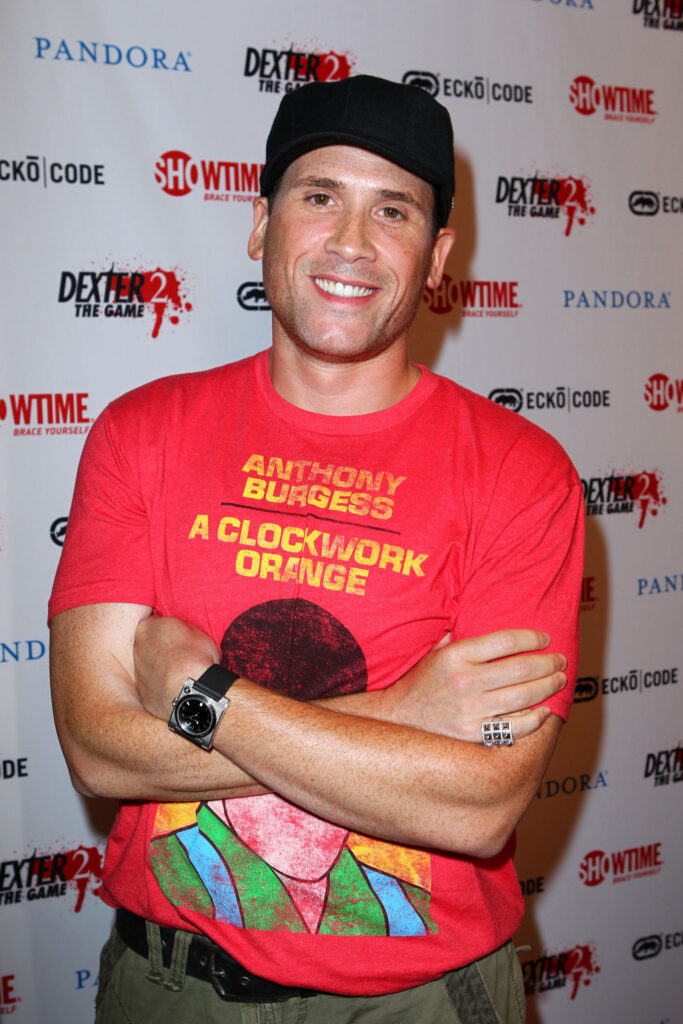
Marc Ecko founded Ecko Unltd. in 1993, transforming a small T-shirt business into one of the most recognizable streetwear brands of the late 1990s and early 2000s. His rhino logo became synonymous with hip-hop, skateboarding, and youth culture.
Biggest Projects
- Founded Ecko Unltd.
- Expanded into footwear, watches, fragrances, and accessories
- Created Complex magazine, which grew into one of the world’s leading culture and fashion media platforms
- Collaborated with artists, musicians, and athletes across multiple industries
Revenue
Ecko Unltd. became a global fashion brand generating hundreds of millions of dollars in annual sales during its peak, although current financial figures are not publicly reported.
Challenges
- Increased competition from newer streetwear brands
- Shifts in consumer fashion trends
- Maintaining relevance as luxury streetwear gained popularity
Legacy
Marc Ecko proved that streetwear could become a global business while staying connected to music, art, and urban culture.
2. Virgil Abloh – The Architect of Modern Luxury Streetwear
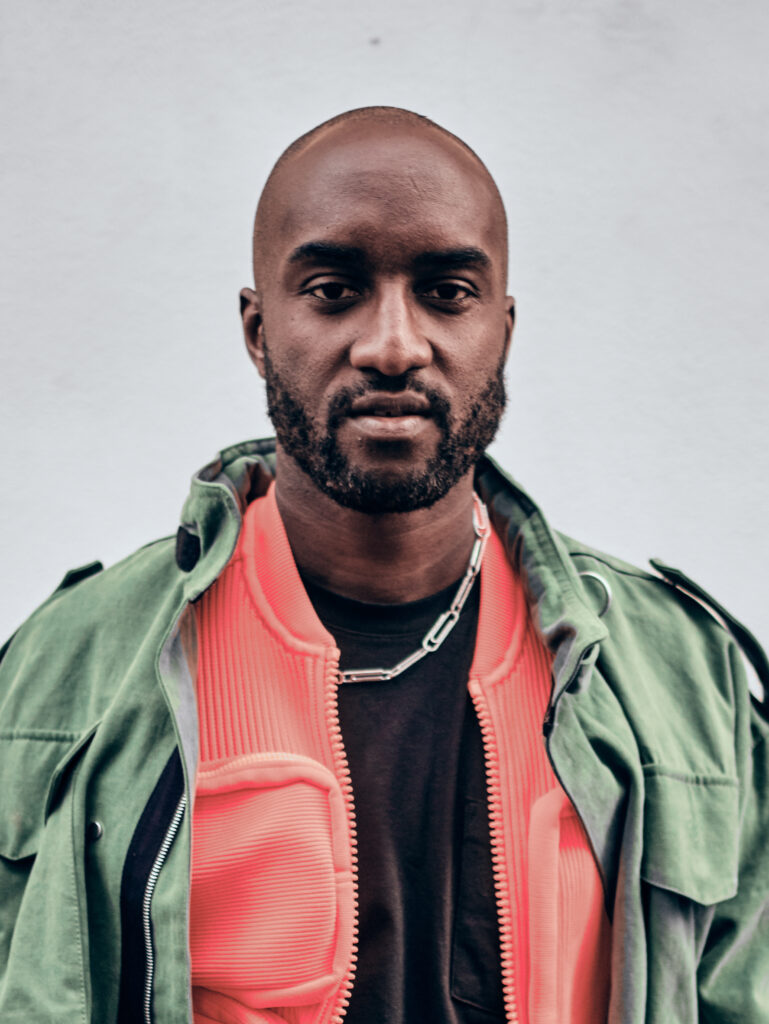
Virgil Abloh changed fashion forever by blurring the lines between luxury and streetwear. He founded Off-White in 2013 before becoming the first Black Artistic Director of Menswear at Louis Vuitton in 2018. (Wikipedia)
Biggest Projects
- Founded Off-White
- Artistic Director of Louis Vuitton Menswear
- Nike “The Ten” sneaker collaboration
- IKEA furniture collaboration
- Collaborations with Mercedes-Benz, Evian, and numerous global brands
Revenue
Off-White became one of the world’s most successful luxury streetwear labels before its acquisition by LVMH. While Abloh’s personal earnings and Off-White’s annual revenue were not publicly disclosed, the brand achieved global commercial success.
Challenges
- Balancing luxury fashion with streetwear authenticity
- Managing multiple creative roles simultaneously
- Intense public scrutiny as one of fashion’s most influential designers
Legacy
Virgil Abloh opened doors for designers from diverse backgrounds and demonstrated that creativity has no boundaries.
3. Tremaine Emory – Fashion with Purpose
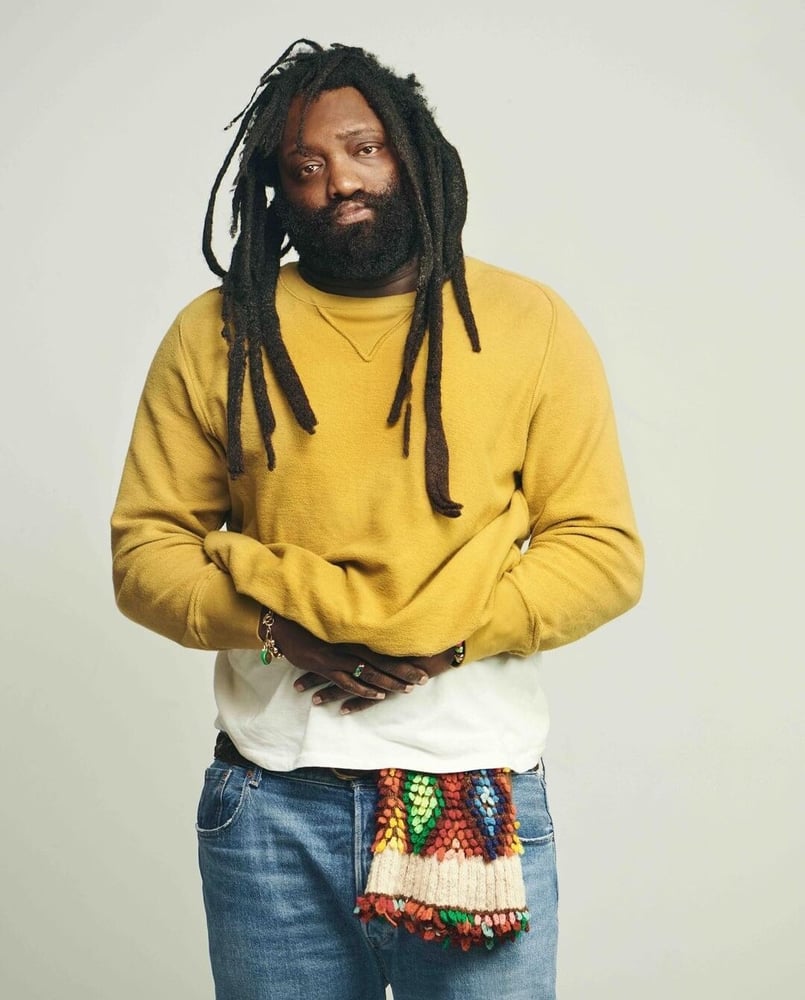
Founder of Denim Tears, Tremaine Emory is known for creating clothing that explores Black history, culture, and identity. In 2022, he became Supreme’s first Creative Director following the brand’s acquisition by VF Corporation. He resigned in 2023 after publicly citing disagreements with the company’s leadership over creative direction and broader cultural issues. (Vogue)
Biggest Projects
- Founded Denim Tears
- Creative Director of Supreme
- Collaborations with Levi’s, Converse, Dior, UGG, Champion, and New Balance
- Creative consulting for artists including Frank Ocean and collaborations with Virgil Abloh
Revenue
Denim Tears is privately owned, and its financial results have not been publicly disclosed. Supreme itself was acquired by VF Corporation in a US$2.1 billion deal in 2020, and VF expected the brand to contribute roughly US$500 million in annual revenue following the acquisition. (Vogue)
Challenges
- Balancing creative independence with corporate ownership
- Public disagreements over creative decisions
- Protecting the cultural message behind his work while expanding internationally
Legacy
Tremaine Emory has shown that fashion can be a platform for education, social commentary, and cultural preservation—not just commercial success.
Final Thoughts
Marc Ecko built one of the first global streetwear empires. Virgil Abloh redefined luxury fashion by merging it with street culture. Tremaine Emory continues to push fashion beyond aesthetics, using design to tell powerful stories about history and identity.
Their careers remind us that the most influential designers do more than create clothing—they create movements.
At Star & Shield Clothing, we share that belief. Great fashion isn’t only about what you wear; it’s about what your designs represent, the communities they inspire, and the legacy they leave behind.
Leave a Reply