
Nigo’s $35,000 loan in 1993 birthed a streetwear empire that would sell for $2.8 million in 2011, only to later be valued at a potential $2 billion. This rollercoaster defines the volatile journey of A Bathing Ape—a masterclass in hype, cautionary tale of overexpansion, and blueprint for enduring brand building.
In the ever-changing world of fashion, few stories are as instructive as the saga of A Bathing Ape (BAPE). Founded in Tokyo’s Ura-Harajuku district in 1993 by Nigo (Tomoaki Nagao), BAPE didn’t just sell clothes—it crafted a universe. It pioneered the scarcity model and hype-driven drops that define modern streetwear, only to face near-collapse before a remarkable resurgence.
Today, with private equity firm CVC exploring a potential exit at a reported $2 billion enterprise value, BAPE’s journey offers critical lessons for any new brand aiming for longevity and wealth retention.
The Meteoric Rise: Cult Exclusivity Meets Hip-Hop Royalty
BAPE’s foundation was built on radical exclusivity. Starting with a budget so tight he could only produce 50 T-shirts a week, Nigo turned necessity into a brand philosophy. He famously pulled his brand from 40 Japanese retailers in 1998 to focus on a single Tokyo flagship, creating frenzied demand and birthing the streetwear queue culture we know today.
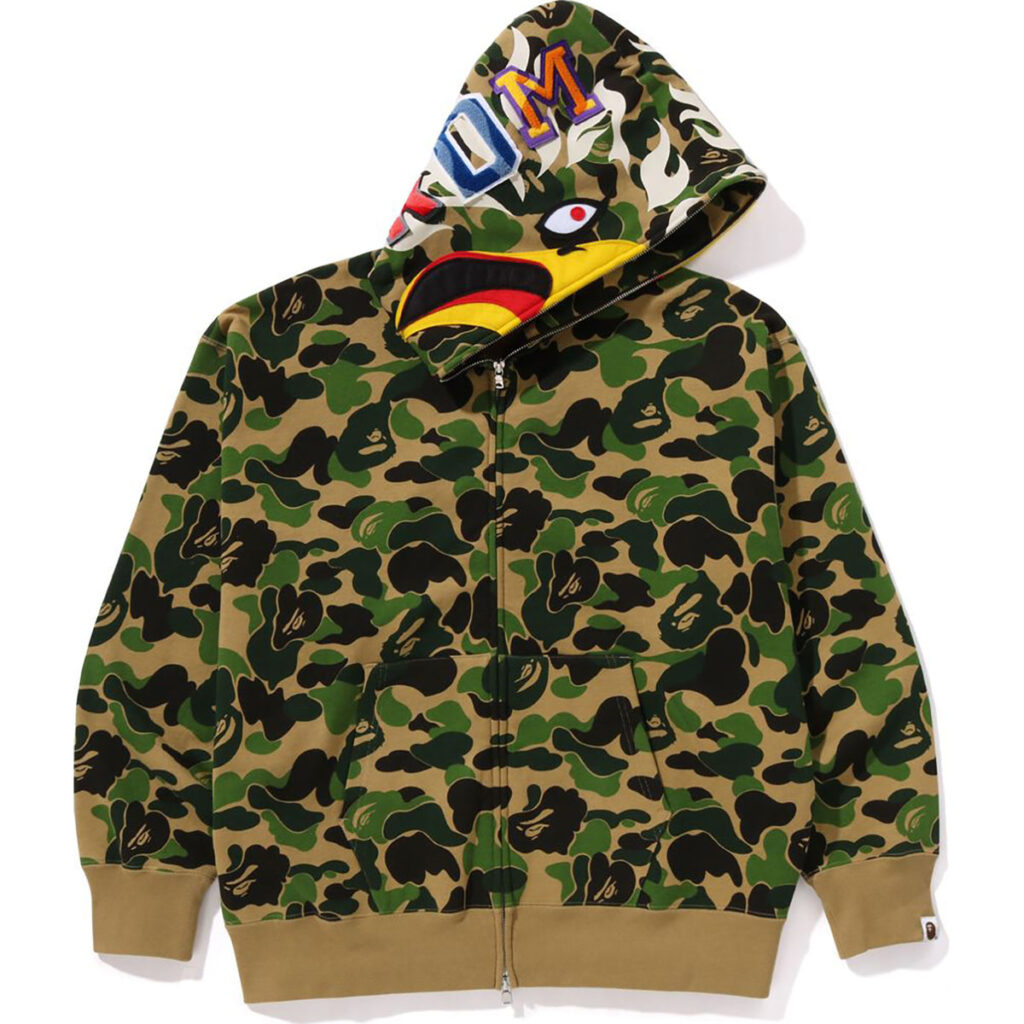
The brand’s identity was cemented by its distinctive “APE HEAD” logo, designed by graphic artist Sk8thing after a Planet of the Apes marathon, and its iconic “Cloud Camo” print. Nigo’s mission was to satirize the “overindulgent youth”—the “bathing ape in lukewarm water”—yet this same demographic became his most devoted audience.
Hip-hop became BAPE’s rocket fuel. Early sightings on The Notorious B.I.G. and the Beastie Boys created trans-Pacific intrigue. The pivotal moment came in the early 2000s when jeweler Jacob Arabo connected Nigo with Pharrell Williams. This friendship propelled BAPE into the American mainstream. Pharrell’s endorsement, a 2005 collaboration with Kanye West on the Bapesta sneaker, and Soulja Boy’s 2007 anthem “Crank Dat” (“I got me some Bathin’ Apes”) transformed BAPE from an insider secret to a global status symbol.
The Crushing Fall: The Perils of Peak Hype
At its zenith, BAPE was a victim of its own success. The strategic scarcity that built its cult status became unsustainable under the weight of mass demand.
· Counterfeit Onslaught and Market Saturation: In the U.S., scarce official product and high prices created a vacuum filled by counterfeit goods, diluting the brand’s exclusivity before it could establish a solid retail footprint.
· From Cult Brand to Passing Fad: The slow, curated hype built over years in Japan was eclipsed by a sudden, trend-driven explosion in the West. The brand became a short-lived fad for many, rather than a deeply rooted cultural staple.
· Financial Reckoning: By 2010, the bill came due. BAPE had amassed over ¥2.6 billion (approximately $22.5 million) in debt**. In 2011, Nigo sold a 90% stake to Hong Kong conglomerate **I.T. Group for just $2.8 million and stepped down.
The Phoenix Story: Reinvention Under New Ownership
Contrary to expectations, BAPE did not fade into obscurity. Under I.T. Group’s stewardship, and later with investment from private equity giant CVC Capital Partners, the brand executed a disciplined turnaround.
It moved from niche hype to broad commercial appeal, stabilizing as a “heritage streetwear” label with over 120 stores globally. Key to this was diversification: introducing sub-brands like the more premium BAPE Black and expanding aggressively into womenswear and kidswear (the hugely popular Baby Milo line).
Despite Nigo’s departure, the brand rediscovered its core strategy: authentic cultural connection. Under CEO Mahmoud El Salahy, BAPE refocused on its three pillars of fashion, music, and art. It launched high-profile collaborations (like a runway show with KidSuper at Paris Fashion Week), partnered with Spotify, and reactivated its “BAPE Gallery” concept to support artists. This authentic engagement, not just chasing “double branding” commercial deals, has been central to its revival.
The Blueprint: Retaining Wealth at Peak and Building to $50M
For a new clothing line inspired by BAPE’s story, the path isn’t about copying its aesthetic, but internalizing its strategic lessons. The goal is to build a durable enterprise, not just a fleeting moment of hype. Here is a phased strategy to navigate growth and scale toward your first $50 million.
Phase 1: The Cult Foundation ($0 – $5M Revenue)
This phase is about proving your concept and building a die-hard community.
· Core Action: Master Scarcity & Community
· Product: Ultra-limited releases (50-100 pieces) of signature items. Perfect one iconic staple.
· Marketing: “Seed” product to micro-influencers and authentic local creators, not paid celebrities. Build a private community (Discord, dedicated forum) for core fans.
· Financial Priority: Reinvest 100% of profits into perfecting production quality and funding the next small batch. Own your manufacturing for control.
Phase 2: Strategic Scaling ($5M – $20M Revenue)
Here, you begin to expand your audience without breaking the brand’s aura.
· Core Action: Diversify the Portfolio & Expand Channels
· Product: Introduce 1-2 sub-lines (e.g., a premium “Black Label,” a casual basics line) to cater to different customer segments within your ecosystem.
· Collaboration: Pursue 1-2 major, hyper-relevant collaborations per year. Choose partners that that share brand values, not just big names (e.g., a visionary artist, a respected niche brand).
· Retail: Open your first flagship in a cultural epicenter. Maintain strict control over wholesale, if you use it at all.
Phase 3: Institutional Durability ($20M – $50M+ Revenue)
At this stage, the goal is to build a resilient business model that can withstand trends.
· Core Action: Vertical Integration & Lifestyle Expansion
· Operational Model: Bring key supply chain functions in-house for margin control and agility. Invest in a best-in-class DTC e-commerce platform.
· Brand Evolution: Systematically expand into adjacent lifestyle categories (e.g., headwear, bags, home goods) that feel like a natural extension of your brand world.
· Cultural Entrenchment: Establish a permanent cultural initiative (e.g., an annual art grant, a music festival stage). Move from being a clothing brand to being a patron of culture.
Avoiding BAPE’s Stumbles: The Retention Checklist
As you grow, use this checklist to avoid critical pitfalls:
· Control Distribution: Never let counterfeit markets or discount channels dictate your brand’s perception.
· Manage Collaboration Pace: More collaborations are not inherently better. Prioritize depth and authenticity over quantity.
· Evolution, Not Revolution: Every new product line should feel like a new chapter in the same book, not a different library. Constantly refer back to your founding “why”.
· Financial Discipline: Use data to drive expansion. Open new stores based on clear e-commerce demand data from that region.
BAPE’s story proves that in streetwear, legacy is not defined by the height of your peak, but by the depth of your roots. For the next generation of brands, the mission is clear: build a world so compelling that your community would rather live in it than simply wear its logo.
The ultimate strategy is to balance the art of cultural creation with the science of business discipline—to be both the visionary in the studio and the strategist in the boardroom. That is how you build not just a brand, but an enduring institution.
What’s the one lesson from BAPE’s journey you find most critical for new brands today? Share your thoughts in the comments.
Leave a Reply