
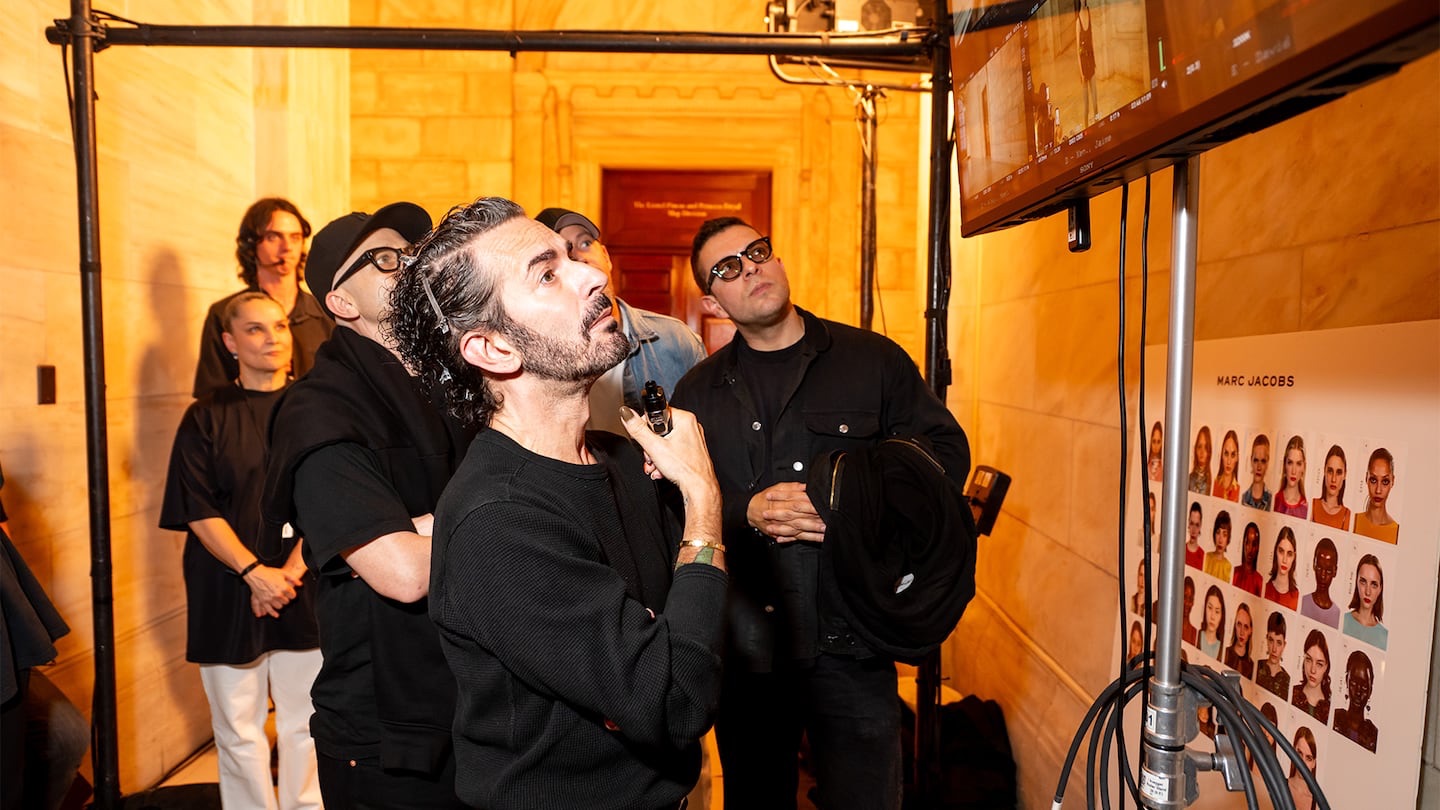
The latest runway presentation from American designer Marc Jacobs signaled more than just a seasonal collection—it offered a subtle preview of how one of fashion’s most recognizable names may evolve under new corporate stewardship.
With ownership now influenced by WHP Global and G-III Apparel Group, the Marc Jacobs brand is entering a transitional phase that blends creative independence with scaled commercial strategy. The runway show reflected this balancing act: maintaining Jacobs’ signature theatrical, expressive design language while hinting at a more structured long-term brand direction.
Rather than a dramatic reinvention, the collection leaned into refinement. Silhouettes carried the familiar eccentricity and bold proportions associated with Jacobs, but with clearer commercial intent—cleaner lines, more wearable layering, and a stronger emphasis on pieces that can move beyond the runway into broader retail channels. This shift aligns with the strategic goals typically associated with WHP Global’s brand portfolio model and G-III’s production and distribution strength.
Industry observers note that this phase is less about changing the identity of Marc Jacobs and more about scaling it. The challenge for the new ownership structure will be preserving the designer’s cultural relevance and creative unpredictability while expanding global accessibility and retail performance.
For Star and Shield Clothing, this moment reflects a broader pattern in global fashion: heritage-driven designers entering new corporate ecosystems where storytelling, manufacturing efficiency, and global distribution must coexist with artistic authorship. How successfully this balance is managed will determine whether Marc Jacobs’ next era becomes a reinvention—or a reinforcement of his legacy.