


Before hip-hop fashion became a global industry, its style was already being shaped on the street: oversized silhouettes, bold color combinations and personal remixes of the labels people knew. Karl Kani saw a gap. Hip-hop artists needed clothes that reflected the culture they were making, not simply garments borrowed from somebody else’s idea of fashion.
Listen to the NPR interview
A designer shaped by home
Born Carl Williams, Kani grew up watching his Haitian father tailor matching linen suits and sell them in the neighborhood. That example gave him an early view of clothing as both craft and enterprise. In late-1980s Brooklyn, he began designing for himself and for a community whose taste was moving quickly into the center of popular culture.
His label connected with artists including Tupac Shakur, Aaliyah and The Notorious B.I.G. Their visibility helped bring the clothes to a wider audience, but the deeper idea was bigger than celebrity dressing: hip-hop could define its own fashion language, and a designer rooted in that culture could build a company around it.
“Can I?” became “Yes, I can.”
Kani has said that his name came from the question he kept asking himself as he tried to build a fashion business from the inner city. He turned that doubt into a daily reminder to keep going. The answer was not guaranteed; it had to be made real through design, persistence and business decisions.
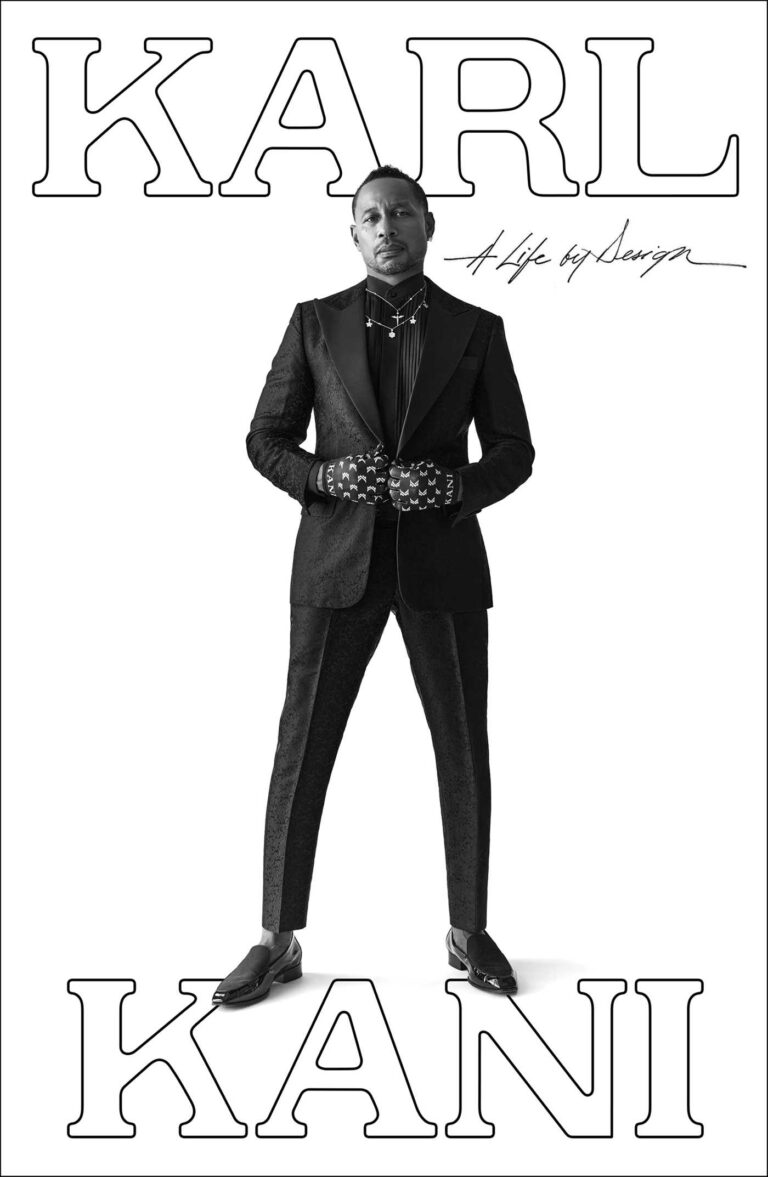
In his memoir, Karl Kani: A Life By Design, he looks back on the instincts and choices behind a brand that outlasted the decade that first made it famous. That perspective matters for independent labels: a strong visual identity can attract attention, while a durable business depends on consistency, adaptation and a clear connection to the people it serves.
A lesson for independent fashion: Build from a point of view you understand. Let the community influence the design, keep the brand recognizable, and plan for the years after the first wave of attention.
Style that keeps its confidence
Kani’s fashion advice is characteristically direct. In the NPR interview, he argued for keeping it simple, sleek and all black, and joked that the skinny-jeans era did not work for every man. The specific trend may change, but the enduring idea is confidence: wear clothes with intention and let the fit serve the person.
For Star and Shield Clothing, that history is a reminder that fashion can carry more than a logo. It can express a community’s perspective, connect heritage with contemporary life and create room for designers to build on their own terms. Karl Kani’s story shows what can happen when a cultural movement recognizes itself in the clothes—and when a designer turns that recognition into a long-term vision.
The memoir
Source note
This original Star and Shield Clothing feature is based on NPR’s November 18, 2026 report by Ruby Siefken and A Martínez, “Karl Kani dressed hip-hop royalty for decades. Now he’s telling his own story,” including Kani’s conversation about his memoir, Karl Kani: A Life By Design. The audio above is NPR’s full Morning Edition interview.
Leave a Reply